
Introduction
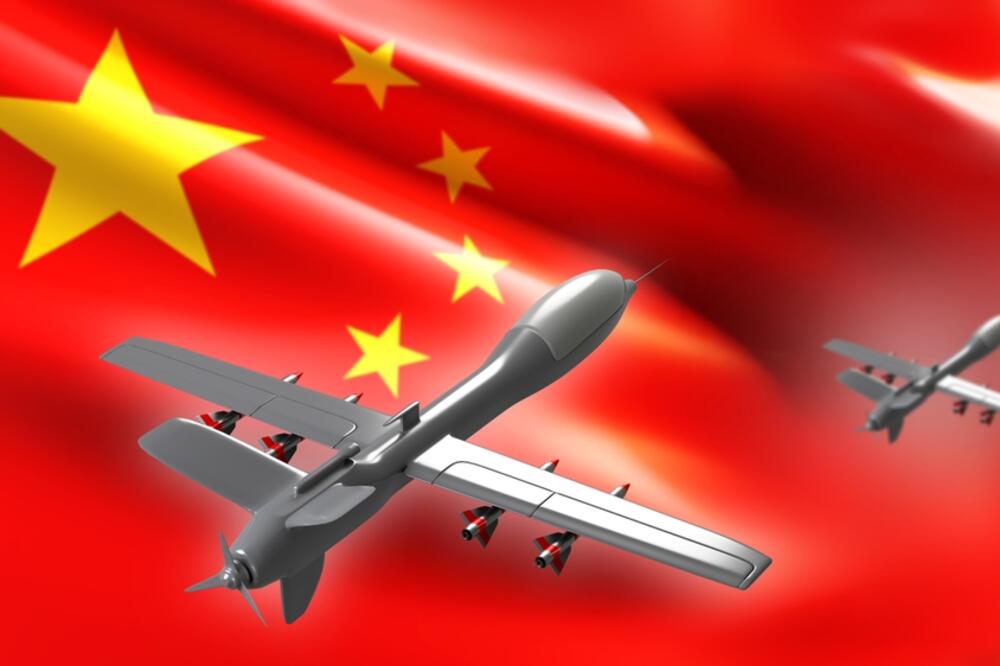
Over the past two decades, China has emerged as one of the world’s leading developers and exporters of military drone technology. What began as a modest effort to modernize the People’s Liberation Army (PLA) has evolved into a comprehensive drone ecosystem that includes reconnaissance platforms, armed unmanned combat aerial vehicles (UCAVs), electronic warfare drones, stealth drones, autonomous swarms, and high-altitude surveillance systems.
China’s rapid progress in military drone technology reflects its broader strategy of integrating artificial intelligence (AI), advanced manufacturing, and network-centric warfare into its defense modernization. Today, Chinese drones are not only strengthening the country’s military capabilities but are also influencing global defense markets and reshaping the future of warfare.
The Rise of China’s Drone Industry
China began investing heavily in unmanned aerial systems (UAS) during the early 2000s. Government-backed research institutions, state-owned defense companies, and private technology firms collaborated to develop increasingly sophisticated drones for military applications.
Major Chinese defense manufacturers include:
- Aviation Industry Corporation of China (AVIC)
- China Aerospace Science and Technology Corporation (CASC)
- China Electronics Technology Group Corporation (CETC)
These organizations have developed a wide range of unmanned systems designed for intelligence gathering, precision strikes, maritime surveillance, electronic warfare, and strategic reconnaissance.
Why China Prioritizes Military Drones
China views unmanned systems as a force multiplier capable of enhancing military effectiveness while reducing risks to personnel.
Key strategic objectives include:
- Expanding surveillance across the Indo-Pacific.
- Improving battlefield intelligence.
- Supporting naval operations.
- Enhancing border security.
- Increasing long-range strike capabilities.
- Countering technologically advanced adversaries.
- Reducing operational costs compared to manned aircraft.
The PLA increasingly integrates drones into joint operations involving air, land, naval, cyber, and space forces.
Major Types of Chinese Military Drones
1. Reconnaissance Drones
Surveillance drones remain the backbone of China’s unmanned fleet.
These systems provide:
- Real-time battlefield intelligence
- Target identification
- Border monitoring
- Maritime surveillance
- Electronic reconnaissance
Many operate for more than 20 hours and can transmit high-resolution imagery over long distances.
2. Armed Combat Drones
China has become one of the world’s largest producers of armed drones.
Popular combat platforms include:
- Wing Loong series
- CH (Cai Hong/Rainbow) series
These drones are capable of carrying:
- Precision-guided missiles
- Laser-guided bombs
- Air-to-ground munitions
They can perform intelligence, surveillance, reconnaissance (ISR), and strike missions simultaneously.
3. Stealth Drones
China is developing stealth unmanned aircraft designed to evade radar detection.
Features include:
- Low radar cross-section
- Advanced composite materials
- Internal weapons bays
- Long-range operations
Such systems are intended for high-risk missions in heavily defended airspace.
4. High-Altitude Long-Endurance (HALE) Drones
HALE drones operate at very high altitudes for extended periods.
Their missions include:
- Strategic surveillance
- Communications relay
- Maritime monitoring
- Missile tracking
- Intelligence collection
These platforms significantly expand China’s situational awareness.
5. Drone Swarms
One of China’s most ambitious areas of research is autonomous drone swarm technology.
Instead of deploying a single aircraft, military planners envision hundreds of small drones operating cooperatively.
Potential capabilities include:
- Overwhelming enemy air defenses
- Electronic jamming
- Intelligence gathering
- Decoy operations
- Coordinated attacks
- Battlefield communications
Artificial intelligence enables these swarms to coordinate with minimal human intervention.
Artificial Intelligence and Autonomous Warfare
Artificial intelligence has become central to China’s drone strategy.
AI supports:
- Autonomous navigation
- Target recognition
- Mission planning
- Obstacle avoidance
- Swarm coordination
- Adaptive decision-making
Although human operators generally retain authority over weapons release, increasing autonomy allows drones to respond more quickly in dynamic combat environments.
Naval Drone Operations
China is integrating drones into naval operations to support its growing maritime ambitions.
Applications include:
- Monitoring disputed waters
- Tracking naval vessels
- Supporting aircraft carriers
- Anti-submarine surveillance
- Coastal reconnaissance
Combined with satellites and maritime patrol aircraft, drones strengthen China’s ability to monitor vast ocean areas.
Electronic Warfare Drones
Modern conflicts increasingly depend on controlling the electromagnetic spectrum.
Chinese electronic warfare drones are believed to support:
- Radar jamming
- Communications disruption
- Signals intelligence
- Cyber support missions
- Decoy operations
These capabilities can reduce an opponent’s ability to detect or coordinate military forces.
Export Success
China has become one of the world’s leading exporters of military drones.
Its systems have been purchased by countries across:
- Asia
- Africa
- The Middle East
- Latin America
Factors driving demand include:
- Lower costs compared with many Western systems.
- Fewer export restrictions.
- Competitive performance.
- Comprehensive training and maintenance packages.
Chinese drones have reportedly been used in several regional conflicts, providing valuable operational experience and attracting further international interest.
Challenges and Limitations
Despite rapid progress, China’s drone program faces several challenges.
These include:
Engine Technology
Developing reliable, high-performance engines for advanced drones remains an area where China continues to invest.
Artificial Intelligence Reliability
Autonomous systems must function effectively in unpredictable combat environments while avoiding unintended actions.
Electronic Vulnerability
Military drones remain susceptible to:
- GPS jamming
- Cyberattacks
- Electronic interference
- Anti-drone technologies
Improving resilience against these threats is an ongoing priority.
Global Military Implications
China’s advances in drone technology are influencing military planning worldwide.
Many countries are now:
- Expanding drone programs.
- Investing in counter-drone systems.
- Developing AI-enabled weapons.
- Increasing electronic warfare capabilities.
- Modernizing air defense networks.
This has accelerated international competition in unmanned military systems.
Ethical and Legal Concerns
The growing role of autonomous military drones raises important questions.
Experts continue to debate:
- Human control over lethal decisions.
- Accountability for autonomous actions.
- Compliance with international humanitarian law.
- Risks of accidental escalation.
- Cybersecurity vulnerabilities.
Many governments and international organizations are discussing future regulations for autonomous weapons.
Future Outlook
China is expected to continue investing heavily in next-generation unmanned systems.
Likely areas of development include:
- Fully autonomous drone swarms.
- Loyal wingman drones operating alongside fighter aircraft.
- AI-enhanced battlefield coordination.
- Hypersonic unmanned platforms.
- Underwater autonomous vehicles.
- Space-based unmanned systems.
- Integrated multi-domain operations.
As artificial intelligence, robotics, and advanced communications continue to evolve, military drones are likely to play an even greater role in future conflicts.
Conclusion
China’s advancement in military drone technology represents one of the most significant developments in modern defense. By combining artificial intelligence, advanced manufacturing, autonomous systems, and networked warfare concepts, China has built a diverse and increasingly sophisticated unmanned fleet capable of reconnaissance, precision strikes, electronic warfare, and maritime surveillance.
While these technologies enhance China’s military capabilities and influence global defense markets, they also contribute to a rapidly evolving security environment. As more nations adopt advanced unmanned systems, the future of warfare will increasingly depend on innovation in autonomy, electronic warfare, cybersecurity, and international efforts to establish norms governing the use of military drones.