
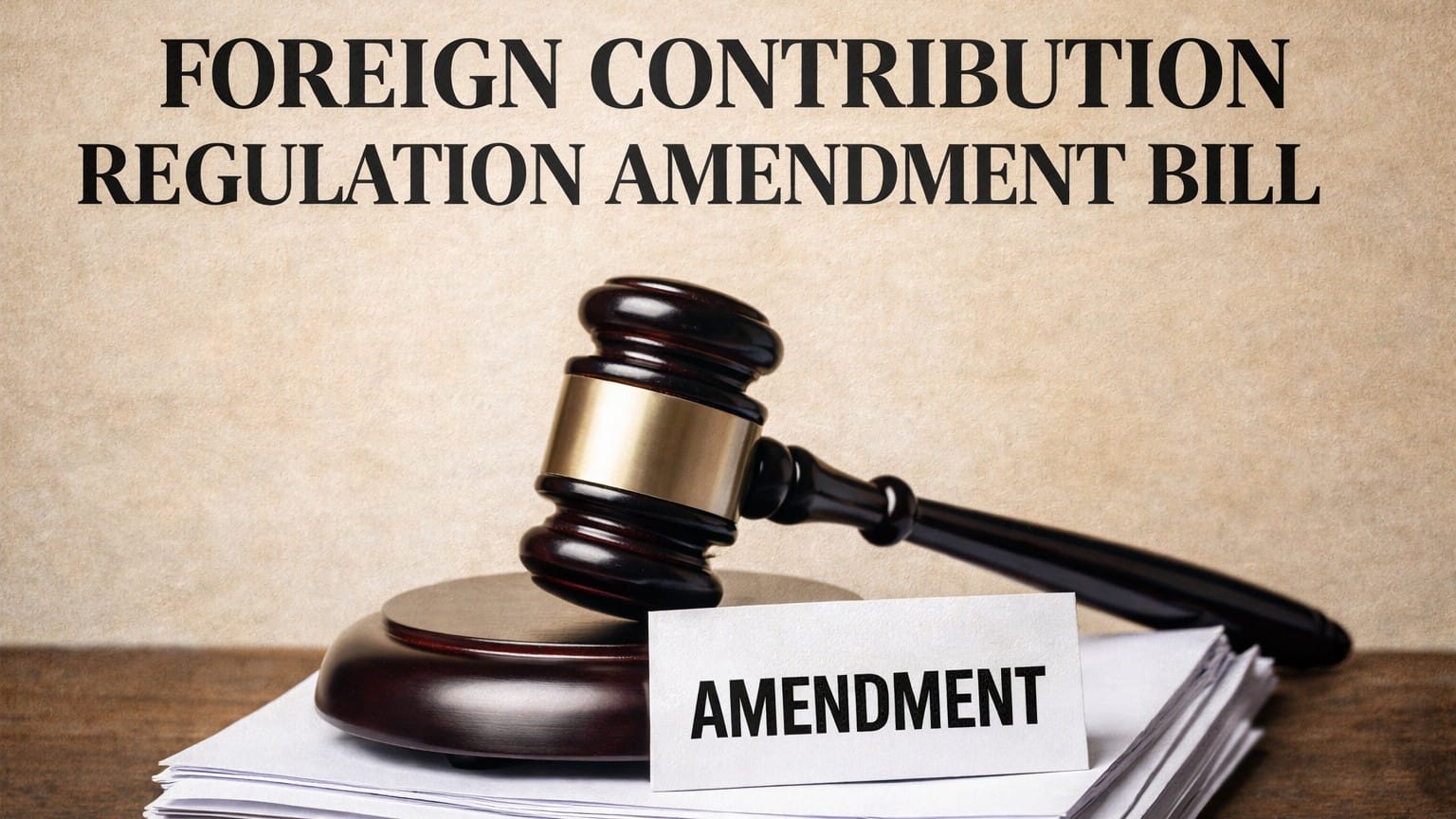
New Delhi, August 5, 2026 — India’s proposed amendments to the Foreign Contribution (Regulation) Act (FCRA) have sparked international attention after several U.S. lawmakers voiced concerns that the legislation could have significant implications for foreign-funded charities, religious organizations, and civil society groups operating in the country.
The proposed legislation, currently under parliamentary consideration, seeks to strengthen government oversight of organizations receiving foreign contributions. Among its most debated provisions are rules related to the management of assets created using foreign funds after an organization’s FCRA registration is cancelled, surrendered, or expires. Supporters say the changes are intended to improve transparency and prevent misuse of overseas funding, while critics argue they could increase state control over non-governmental organizations.
U.S. Lawmakers Raise Concerns
The proposal has drawn criticism from members of the U.S. Congress. Republican Congressman Riley Moore warned that the amendments could adversely affect churches and faith-based charities that rely on foreign donations, arguing that the legislation may have broader implications for religious freedom and could complicate India–U.S. relations if such concerns are not addressed.
The criticism reflects broader bipartisan discussions in Washington regarding the operating environment for civil society organizations in India. Some American lawmakers and advocacy groups have urged the Indian government to ensure that any regulatory changes remain consistent with democratic values and freedom of association.
India Defends the Bill
The Government of India has maintained that the proposed amendments are aimed solely at strengthening financial accountability, safeguarding national security, and ensuring that foreign contributions are not used for activities considered detrimental to the country’s interests.
According to official explanations, the Bill introduces clearer provisions regarding the temporary or permanent vesting of foreign-funded assets in specific circumstances, while also providing avenues for judicial appeal and reducing the maximum criminal penalty for certain violations. Government officials have stated that the legislation is designed to improve regulatory clarity rather than restrict legitimate charitable work.
Political Debate Continues
The Bill has become a contentious issue in Parliament, with opposition parties and several regional organizations expressing concerns about its potential impact on NGOs, religious institutions, and humanitarian organizations. Some church bodies, particularly in northeastern India, have announced protests and appealed to the Centre to reconsider certain provisions.
Supporters of the legislation argue that stronger oversight is necessary to prevent foreign funding from being misused for political influence or activities that threaten India’s sovereignty. Critics, however, contend that the proposed framework could discourage legitimate social-service organizations and reduce the independence of civil society groups.
Implications for India–U.S. Relations
While the comments from U.S. lawmakers do not represent an official policy statement by the U.S. government, they have added an international dimension to the domestic debate. As of now, there has been no formal statement from the White House or the U.S. State Department announcing any change in U.S. policy toward India over the proposed FCRA amendments.
Diplomatic observers believe the issue is likely to remain part of the broader dialogue between New Delhi and Washington, where strategic cooperation on defense, technology, trade, and regional security continues to be a priority despite occasional differences over human rights and civil society issues.