
New Delhi, August 10, 2026: India has stepped up efforts to participate in the Future Combat Air System (FCAS), a next-generation combat aviation programme spearheaded by France, in what could become a major expansion of Indo-French defence cooperation.
India’s Defence Ministry has reportedly initiated efforts to “co-join” the sixth-generation fighter aircraft development programme, according to a recent parliamentary defence committee report. The move follows earlier discussions between India and France over possible cooperation in the development and manufacture of a future combat aircraft.
A potential sixth-generation leap
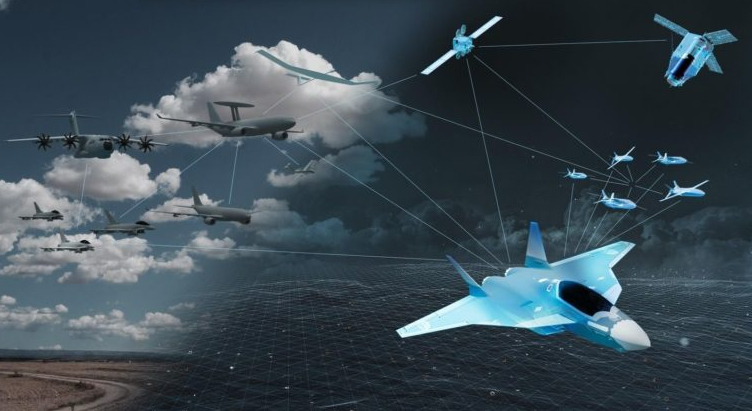
FCAS is envisioned as much more than a conventional fighter jet. The programme is intended to combine a next-generation manned fighter with unmanned aircraft, advanced sensors, artificial intelligence, secure communications and network-centric warfare capabilities.
For India, participation could provide an opportunity to gain experience in technologies expected to define future air combat, including advanced stealth, sensor fusion, electronic warfare, AI-assisted decision-making and manned-unmanned teaming.
India has simultaneously been developing its indigenous Advanced Medium Combat Aircraft (AMCA). Earlier assessments described AMCA as a fifth-generation aircraft incorporating some technologies associated with the next generation of combat aviation.
Why France matters
France has emerged as an increasingly important strategic partner for India’s aerospace ambitions. The two countries already cooperate extensively in defence, while France’s Dassault Aviation is involved in India’s Rafale programme.
India is also moving ahead with a proposed acquisition of 114 Rafale fighters, with a significant portion expected to be manufactured domestically under the proposed arrangement.
A future FCAS partnership could therefore take the relationship beyond aircraft procurement towards joint development, manufacturing and technology cooperation.
Europe’s FCAS dispute changes the equation
The development comes against the backdrop of major disagreements surrounding the original European FCAS programme.
The project was launched by France and Germany in 2017, with Spain joining later. However, disagreements between major industrial participants, including Dassault Aviation and Airbus, created serious difficulties. Reports in June said the fighter component of the programme had effectively collapsed, potentially opening the door for a new structure involving France and India.
That development could give India an unusual opportunity: rather than simply becoming a customer of an existing sixth-generation aircraft, New Delhi could seek a role in co-development and co-production.
Strategic opportunity — but major challenges
A successful Indo-French FCAS partnership could strengthen India’s long-term aerospace ecosystem and reduce dependence on foreign-designed combat aircraft.
However, negotiations over workshare, intellectual property, technology transfer, development costs and access to critical technologies such as engines and advanced avionics are likely to be difficult.
India will also have to ensure that participation in FCAS complements rather than undermines the country’s indigenous AMCA programme.
What comes next?
India’s reported move does not yet mean that a final agreement to join FCAS has been signed. The immediate priority will be determining the structure of India’s participation and the extent of technology and industrial access that France is prepared to offer.
If negotiations succeed, the partnership could mark a significant shift in India’s defence strategy—from purchasing advanced fighters to becoming a co-developer of future-generation combat aircraft.
The bigger question is whether India can turn its interest in FCAS into genuine technology partnership and industrial capability. The answer could shape the Indian Air Force’s combat aviation fleet well beyond the 2030s.